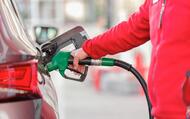
Dwindling supply of crude oil has pushed average petrol prices up by 6p and diesel prices by 12p in a week
The government will review its planned fuel duty hike as pump prices surge due to the ongoing war in Iran, prime minister Keir Starmer has said.
Westminster has faced growing calls this month to abandon its planned September removal of the 5p fuel duty freeze, which chancellor Rachel Reeves announced in her November budget last year.Â
The current rate of 52.95p per litre was set in 2022 by then chancellor Rishi Sunak in an effort to lower high fuel prices exacerbated by the war in Ukraine. The policy is reviewed each March.Â
The limitation of crude oil exports from Iran due to the war is now causing a similar increase. The current price of a barrel is trading at around $90, up from $55 at the turn of the year.Â
This has resulted in the average price of petrol and diesel rising by 6p and 12p in the past week – the latter to what is its highest rate in almost two years, according to the RAC.
Speaking today during Prime Minister’s Questions, Starmer confirmed a review into the planned freeze removal will now take place.
He added: “We are working across all departments and with allies to deal with the impact of the conflict in Iran.â€
However, he suggested that a U-turn might not happen, adding that the best way to slow rising prices was for ministers to help "de-escalate" the conflict.
The freeze is planned to be removed in three stages, with the levy being uprated each financial year in line with the Retail Price Index (RPI). This will ultimately raise fuel duty to at least 57.95p per litre.Â
The Office for Budget Responsibility (OBR) said the rise will raise significant funds for the government. With the freeze removed, it forecasts an increase of £0.2bn (1%) in 2026-27, peaking at £26bn in 2028-29. However, it predicts that this will then fall by £0.9bn by 2030-31 as EV sales rise.
The OBR said that without the rise, there would be a “fiscal risk from declining fuel duty revenues due to the transition to electric vehiclesâ€.Â
It predicts the 0.7% share of GDP that fuel duty today contributes will fall to a 0.1% share by 2050-51, when “more than 90% of cars on the road are projected to be fully electricâ€.Â